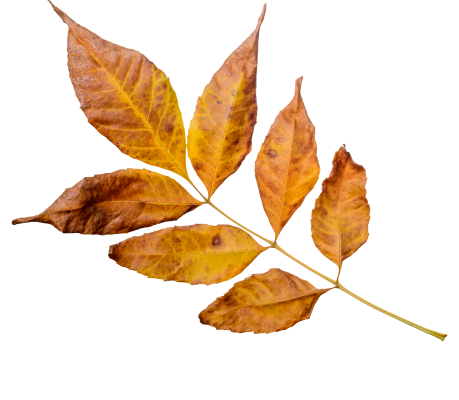
Thirteen moons. Thirteen trees. One year of letting Nature teach us how to become more fully ourselves.
A little over a year ago, I found myself asking a question I ask about a lot of things these days:
What would my ancestors have done?
For several years, I’d followed the New and Full Moons through Western astrology. I’d look at which zodiac sign the Moon was moving through, learn about the themes associated with it, and share what I was noticing with my community.
That framework had been meaningful for me.
And then, slowly, it started feeling flat.
Not wrong.
Just no longer alive for me.
I’d experienced this before. Sometimes a practice, teacher, belief, or framework can be exactly what we need for a Season, and then one day we realize we’ve grown into a bigger shell.
I wanted something that felt more rooted in the Earth beneath my feet.
Something connected to the actual Season I was living through, the Moon I could see in the sky, the plants growing around me, and the Land itself.
I wanted something I could feel in my blood and bones.

After visiting the Land of my ancestors in Portugal for my first psychedelic retreat in 2022, returning to my paternal ancestral homeland of the Azores, and later traveling through my maternal ancestral homeland of the British Isles, I’d become increasingly curious about the spiritual worldview of the people who came before me.
Not because I wanted to perfectly recreate the past.
I wanted to remember a way of being in relationship with the living world.
That curiosity eventually led me to the Celtic Lunar Tree Calendar.
Thirteen moons.
Thirteen trees.
One tree to walk beside for an entire lunar cycle.
I decided to try it.
I started with Holly in July of 2025.
Then I kept going.
And before I knew it, I’d walked the entire wheel.
Now I’m returning to Holly again, and one of the things this practice has taught me feels more true than ever:
Circles don’t really end. They deepen.
What Is the Celtic Tree Calendar?
The Celtic Tree Calendar, sometimes called the Celtic Lunar Tree Calendar, is a modern spiritual framework that organizes the year into thirteen lunar cycles associated with thirteen trees.
Rather than asking which zodiac sign the Moon is moving through, I spend each lunar cycle developing a relationship with one particular tree.
I learn about the tree itself.
I explore its Celtic folklore, mythology, and symbolism.
I pay attention to what the tree and the rest of Nature are physically doing during that Season.
I notice what’s happening in my own Life.
I sit with the questions the tree raises.
And increasingly, I’m learning to notice the signs, encounters, synchronicities, and intuitive messages that arise when I stop treating Nature as scenery and start relating to her as a living presence.
The tree becomes less of a symbol to decode and more of a companion to walk beside.
That relationship matters to me.
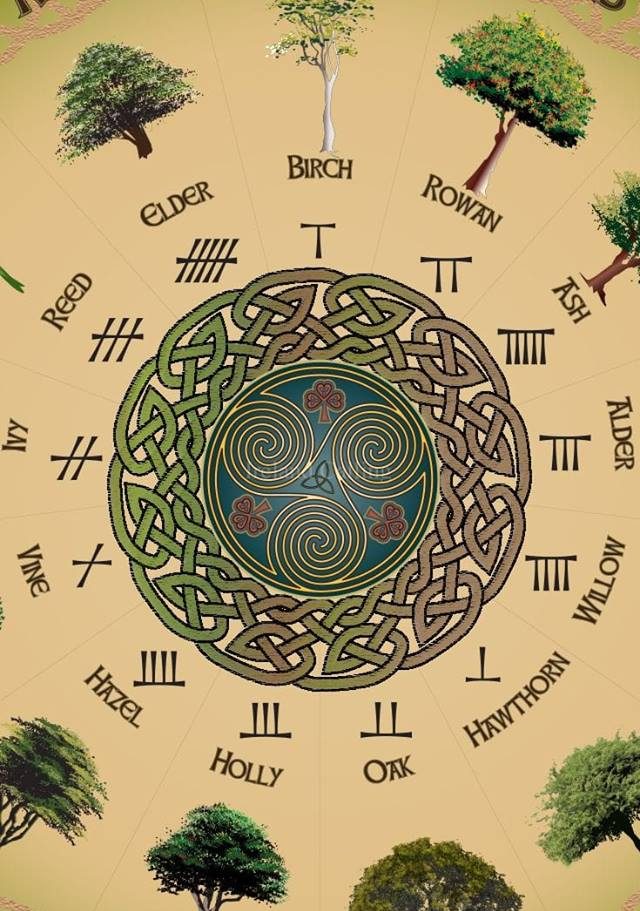
I’m not interested in memorizing that Oak means one thing and Willow means another.
I’m interested in transformation more than information.
I want to know:
What happens when I spend an entire lunar cycle paying attention to Oak?
What did Oak mean to my grandmothers and why did they pay attention to it?
What does Oak reveal about my own Life?
What do I notice that I wouldn’t have noticed before?
What changes when I stop asking Nature to decorate my spirituality and allow her to participate in it?
Is the Celtic Tree Calendar Actually Ancient?
This is important, especially because there’s a lot of conflicting information about the Celtic Tree Calendar online.
The specific thirteen-tree lunar calendar commonly used today isn’t an ancient Druidic calendar that we can historically demonstrate was followed in this exact form thousands of years ago.
The history is more complicated, and honestly, I think more interesting.
The Celtic cultures of Ireland and Britain had rich relationships with trees, Land, seasonal cycles, sacred places, and the natural world.
Ogham, an early medieval Irish writing system, is also genuinely old, and later medieval traditions developed associations between Ogham letters and trees and plants.
But the particular system that organizes thirteen trees into the lunar calendar many of us use today is a modern spiritual synthesis, strongly influenced by twentieth-century interpretations of Celtic tradition and Ogham.
It wasn’t an actual system that our ancestors used, but each tree was meaningful to them, and specifically during the month of the year that the Tree Calendar emphasizes it.
So it doesn’t make the practice less meaningful to me.
I’m not trying to convince myself that I’m perfectly recreating what one of my ancestors did two thousand years ago.
I’m asking a different question:
How might I recover a way of relating to Nature that my modern Life has taught me to forget?
My grandmothers might not have followed this exact calendar.
But they certainly knew things I’ve had to consciously relearn.

They knew what was flowering.
They knew when fruit ripened.
They knew which plants healed and which harmed.
They watched the length of the days change.
They knew the Moon without an app telling them what phase she was in.
They lived inside the Seasons because there wasn’t really another option.
The modern world has given us incredible things, but it has also made it possible to live almost entirely disconnected from the rhythms that shaped human Life for thousands of years.
The Celtic Lunar Tree Calendar gives me a structure for paying attention again.
And that is what makes it sacred to me.
What Does Ogham Have to Do With the Celtic Tree Calendar?
You’ll often see the Celtic Tree Calendar connected with Ogham, an early Irish alphabet whose surviving inscriptions date primarily to the early medieval period.
Modern spiritual traditions often describe Ogham as a “tree alphabet,” but that simplifies a much more complicated history.
Not every original Ogham letter simply meant a tree.
The strong botanical associations many people know today developed through later medieval commentary, word oghams, folklore, linguistic interpretation, and eventually modern spiritual systems.
Again, I don’t think knowing this diminishes the practice.
I’m interested in what’s ancient.
I’m interested in what evolved later.
I’m interested in folklore.
I’m interested in modern interpretations.
And I’m interested in what happens when I bring all of those things into relationship with the actual tree growing outside.
For me, spirituality doesn’t have to be ancient to be sacred.
It just has to feel alive to me.
Why I Follow the Moon Through Trees
One of the biggest changes in my spirituality over the past several years has been moving away from constantly looking up for meaning and remembering to look around.
The tree outside my window.
The slug crossing my path.
The phase of the Moon.
The temperature of the air.
The first flower.
The first fallen leaf.
The birds returning to the telephone wire.
The way the light changes.
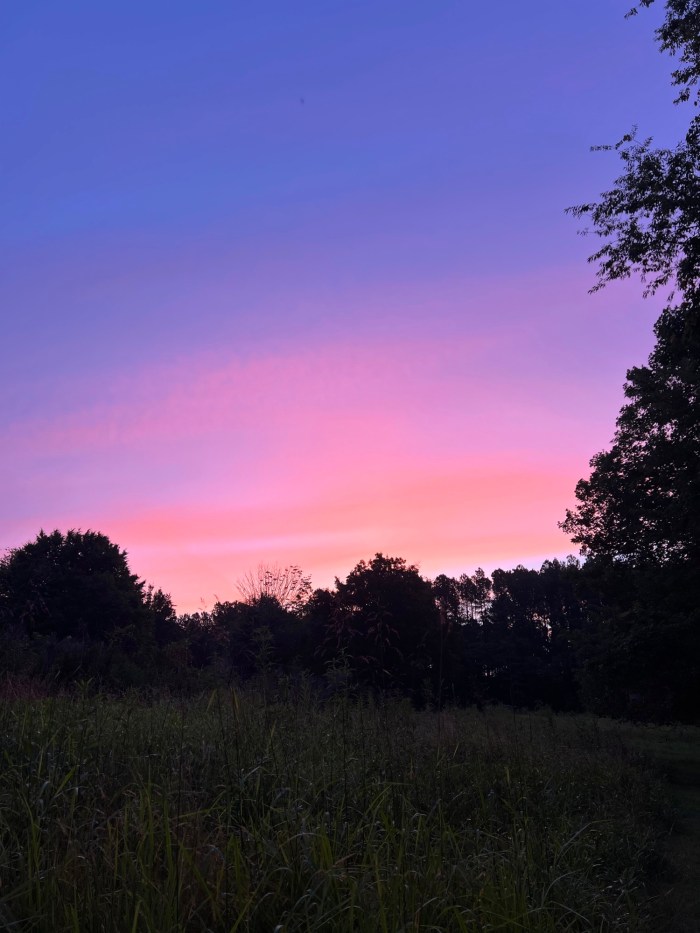
Nature has become one of the primary ways I experience and understand God/Love.
Like others, I sometimes lovingly call it the Church of the Wild.
And following the Moon through trees has given me a rhythm for returning to that church again and again.
It also slows me down.
Instead of constantly chasing the next insight, lesson, book, teacher, healing modality, or spiritual revelation, I stay with one tree.
One question.
One Season.
One lunar cycle.
That’s been surprisingly transformative.
Because Nature doesn’t seem particularly interested in our obsession with self-improvement.
An acorn isn’t trying to become a better acorn.
It’s becoming an Oak.
Willow doesn’t resist being Willow.
Hawthorn doesn’t compare itself to Birch.
Each responds to its Nature and the Season it’s in.
After walking the wheel for an entire year, I’ve started to see a theology underneath all of this:
Nature isn’t asking us to become someone else. She’s continually inviting us more deeply into our own True Nature.
The 13 Trees of the Celtic Lunar Tree Calendar
Different modern versions of the Celtic Tree Calendar vary in their dates, order, and sometimes even which plants they include.
This is the wheel I follow and write about in my own practice:
Holly — Devotion & Protection
Holly is the Sacred Defender, teaching us to recognize what’s sacred enough to deserve our devotion and then protect it, not out of duty or obligation, but out of sovereignty.
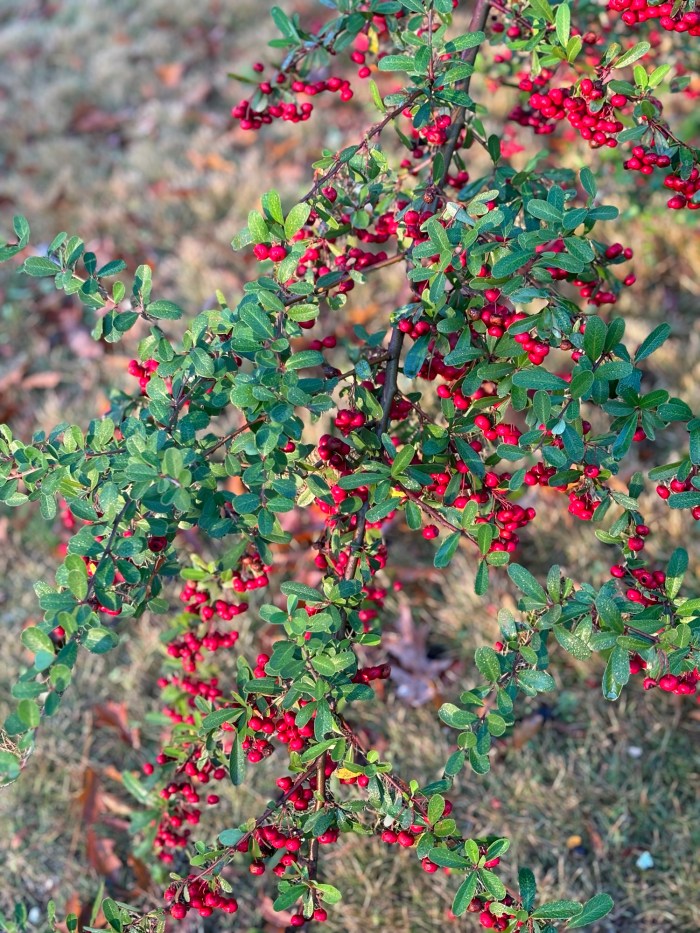
Hazel — Wisdom & Intuition
Hazel invites us into a deeper relationship with wisdom, inspiration, intuition, and the kind of knowing that can’t always be explained logically.
Vine — Discernment
Vine asks us to notice what we’re consuming, attaching ourselves to, and allowing to influence us, helping us discern what truly nourishes us.
Ivy — Resilience
Ivy teaches us about persistence, adaptation, interdependence, and the ways we continue growing even when the path isn’t straight.
Reed — Truth
Reed invites us to listen beneath noise and performance for what’s actually true, and to allow that truth to move through our voices and our lives.
Elder — Release & Completion
Elder teaches us about endings, death, release, transformation, and the fertile emptiness that makes new beginnings possible.
Birch — Rebirth & Beginnings
Birch arrives with renewal, cleansing, possibility, and the courage to begin again.
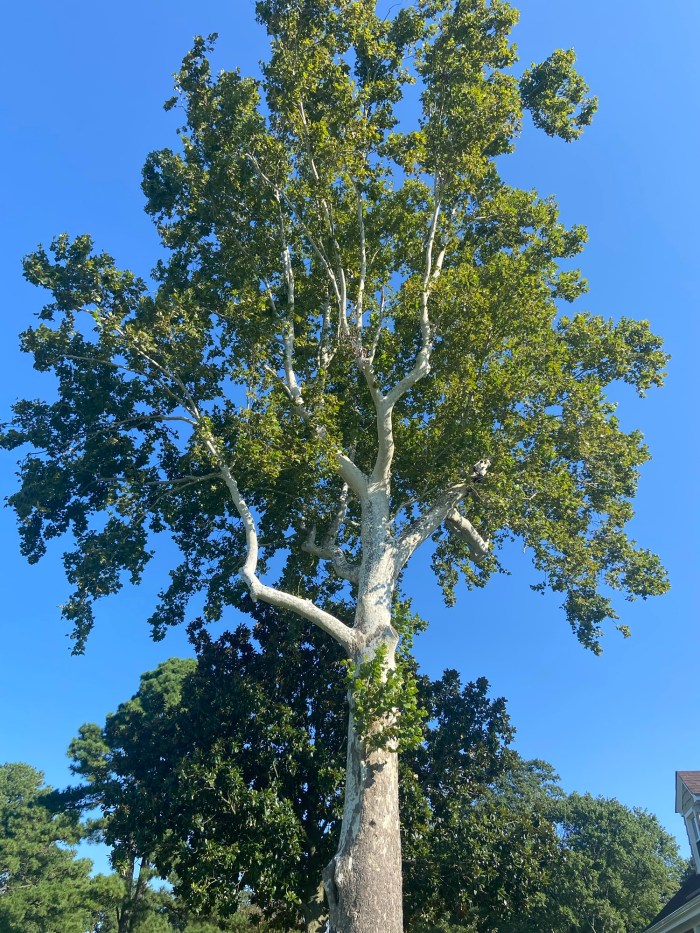
Rowan — Protection & Vision
Rowan invites us to strengthen our relationship with intuition and spiritual protection while seeing beyond the immediately visible.
Ash — Relationship & Interconnection
Ash reminds us that nothing exists in isolation. Our bodies, relationships, communities, ancestors, ecosystems, and spiritual lives exist inside webs of relationship.
Alder — Aligned Movement
Alder asks us to move, but not simply for the sake of movement. What movement is actually aligned and Loving?
Willow — Emotional Wisdom & Flow
Willow teaches us that emotions aren’t interruptions to our path. They’re part of the path. She invites us to trust emotional movement, grief, intuition, receptivity, creativity, and the wisdom of Flow.
Hawthorn — Enchantment & Reverence
Hawthorn stands at the threshold between ordinary and extraordinary. She asks us to become available to enchantment, restore reverence, and remember that paying deeper attention doesn’t take us away from reality. It brings us more fully into it.
Oak — True Nature, Rootedness & Legacy
Oak asks: What are you becoming rooted in? For me, the answer became my own True Nature. Oak taught me to notice the acorn essence that has always been present, trust the timing of my own becoming, and think beyond immediate results toward impact, legacy, and the generations that come after me.
And then the wheel returns to where I started, or wherever you start.
Except we don’t return as the same people.
How to Work With the Celtic Tree Calendar
You don’t need to become a Celtic scholar to begin.
You don’t need an elaborate altar.
You don’t need to live beside an ancient forest.
And you definitely don’t need to do this perfectly.
The heart of the practice is relationship and attention.
At the beginning of each lunar cycle, I learn about the tree I’ll be walking with.
I might explore:
- what the tree physically looks like and where it grows
- what it’s doing during this particular Season
- how it behaves within its ecosystem
- Celtic mythology and folklore associated with it
- its Ogham associations
- traditional symbolism and folk practices
- modern spiritual interpretations
- what the tree might be reflecting about my own Life
Then I pay attention.
Maybe I encounter the tree unexpectedly.
Maybe a particular line in a book stays with me.
Maybe something happening in my Life suddenly mirrors the ecology of the tree.
Maybe I have a dream.
Maybe I notice an animal.
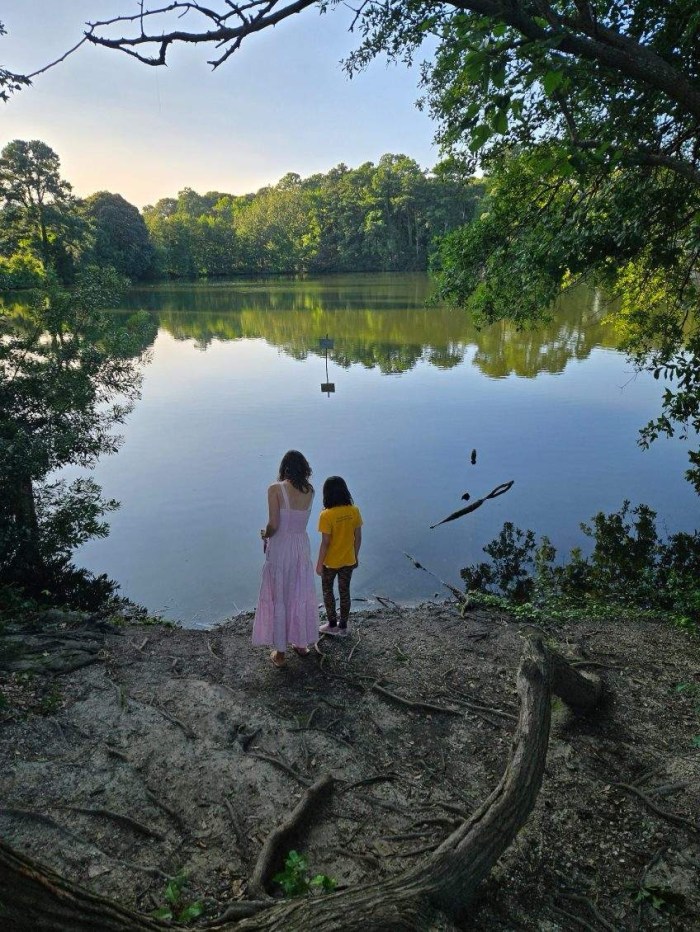
Maybe nothing dramatic happens at all, but spending a month with one question slowly changes the way I see something.
This year, I’m also weaving in some of what I’m learning through Ted Andrews’ Nature-Speak, which explores receiving intuitive messages through signs, omens, encounters, and patterns in Nature.
I’m becoming less interested in asking:
What does this tree mean?
And more interested in asking:
What is this relationship revealing?
That feels like a much more alive way to practice.
What’s My Celtic Birth Tree?
One of the most common ways people encounter the Celtic Tree Calendar online is through the idea of Celtic birth trees or Celtic tree astrology.
You can absolutely explore the tree associated with the lunar period around your birth.
In my own work, I call this your Birth Essence.
I think of it less like a personality test and more like another mirror.
What qualities of this tree feel familiar?
What gifts does it reflect?
What tensions?
What patterns have been present throughout your Life?
But I don’t think the point of the Celtic Tree Calendar is simply to discover “your tree” and stop there.
You aren’t only one tree.
The whole forest has something to teach you.
Walking the complete wheel lets us experience different relationships with strength, intuition, grief, protection, release, truth, enchantment, movement, belonging, and becoming.
Sometimes the tree that challenges us most becomes a more important teacher than the tree associated with our birth.
What My First Year Around the Celtic Tree Calendar Taught Me
When I wrote about Holly for the first time, I told everyone very openly:
I’m learning this too.
I wasn’t presenting myself as an expert in some ancient system I’d studied for twenty years.
I was inviting people to walk beside me while I explored something that felt alive.
I kept going.
Holly became Hazel.
Hazel became Vine.
The Seasons changed.
The trees changed.
I changed.
Eventually, I arrived at Oak and realized I’d walked all thirteen trees.
And Oak gave me the language for something I think had been emerging underneath the entire year.
I became fascinated by the acorn.
Everything a magnificent Oak will ever become is somehow already held inside something small enough to fit in the palm of your hand.
The acorn doesn’t compare itself to the pine beside it.
It doesn’t wonder whether it’s behind.
It doesn’t question whether it should become a maple instead.
It simply responds to the Season it’s in, knowing and trusting that everything it needs has already been placed within it.
And I started thinking about the through-lines in our own lives.
The expressions change.
The essence stays the same.

The child becomes the teenager.
The teenager becomes the adult.
Our relationships change.
Our work changes.
Our beliefs change.
Our bodies change.
Our roles change.
And yet, when we look carefully, we can often recognize something that has been there all along.
Our acorn essence.
Our True Nature.
Maybe healing isn’t primarily about fixing ourselves.
Maybe it’s about removing everything that’s gotten in the way of our own Nature.
Maybe our work isn’t to become someone new.
Maybe it’s to become more fully who we’ve been all along.
That’s the theology of becoming that emerged for me after one year around the wheel.
Beginning My Second Journey Around the Wheel
And now I’m back at Holly.
That’s strange and beautiful to write.
Last year, Holly was new to me.
This year, she’s familiar.
But I’m different.
And I think that’s where the real practice begins.
The first time around the wheel, I was often asking:
What does this tree mean?
This time, I’m asking:
What does this tree reveal now that I’ve changed?
I’m also going deeper.
I want to learn more of the historically grounded Celtic folklore surrounding each tree.
I want to understand more of its actual ecology.
I want to notice what the physical tree itself can teach us rather than treating Nature only as metaphor.
And I want to deepen my practice of listening for the signs, synchronicities, encounters, and intuitive messages that arise when we become available to a more enchanted relationship with the living world.
I’m still learning.
I hope I always will be.
Because perhaps that’s another thing the trees have been teaching me.
A relationship with Nature isn’t something we master.
It’s something we keep showing up for.
The Moon circles again.
The Season returns.
And we meet each other differently.
Frequently Asked Questions About the Celtic Tree Calendar
What is the Celtic Tree Calendar?
The Celtic Tree Calendar is a modern spiritual framework that associates thirteen trees with thirteen lunar periods throughout the year. It’s inspired by Celtic tree lore, Ogham traditions, folklore, seasonal observation, and later spiritual interpretations.
Is the Celtic Tree Calendar historically accurate?
The specific thirteen-tree lunar calendar commonly used today isn’t an attested ancient Druidic calendar. It’s a modern synthesis inspired by older Celtic traditions, Ogham, folklore, and tree symbolism. I believe we can honor the traditions that inspire the practice while also being honest about its modern development.
What are the 13 trees of the Celtic Tree Calendar?
The thirteen trees in the version I follow are Holly, Hazel, Vine, Ivy, Reed, Elder, Birch, Rowan, Ash, Alder, Willow, Hawthorn, and Oak.
Different versions of the modern Tree Calendar may use different sequences, dates, or plants.
Is the Celtic Tree Calendar the same thing as Ogham?
No. Ogham is an early Irish writing system. Although trees and plants became associated with Ogham letters through medieval and later traditions, the modern thirteen-tree lunar calendar isn’t synonymous with the historical Ogham alphabet.
How do I find my Celtic birth tree?
Your Celtic birth tree is generally identified by finding which tree period includes your birth date within the particular Tree Calendar you’re following. Because modern versions use different dates and sequences, it’s important to know which version you’re using.
I call the tree associated with your birth your Birth Essence, but I encourage people to explore all thirteen trees rather than treating the calendar only as another zodiac system.
Follow the Celtic Lunar Tree Calendar With Me
I’m now beginning my second full journey around the Celtic Lunar Tree Calendar.
Each New Moon, I’ll publish one in-depth guide exploring the tree we’re entering through its ecology, Celtic folklore and symbolism, intuitive teachings, seasonal wisdom, and reflection questions you can actually bring into your Life.
Then we’ll live with that tree together for the entire lunar cycle.
You don’t need to know anything about Celtic spirituality.
You don’t need Celtic ancestry.
You don’t need to believe Nature is sending you messages.
You only need to be willing to pay attention.
Because perhaps the question isn’t whether Nature is speaking.
Perhaps the question is whether we’ve become quiet enough to hear her.
Welcome to the wheel.
If you’d like to keep walking the Celtic Lunar Tree Calendar with me, I’d love to have you.
Each New Moon, I’ll share the next tree guide, exploring its ecology, Celtic folklore and symbolism, intuitive teachings, seasonal wisdom, and reflection questions to carry with you through the lunar cycle.
Get the next Celtic Lunar Tree Guide in your inbox as we move through all 13 trees together.


Looking for more personal support? [Explore ways to walk with me.]

2 thoughts on “The Celtic Tree Calendar: A Guide to the 13 Lunar Trees & How I Follow the Wheel”