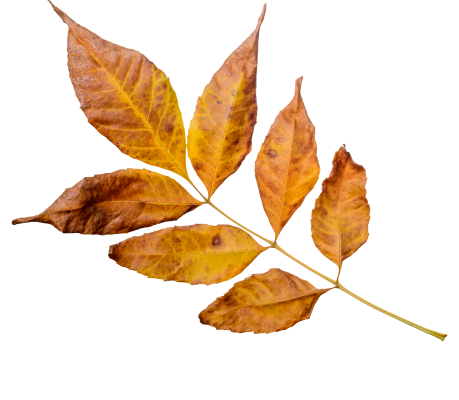
The Sacred Defender teaches us that devotion requires protection, boundaries can create sanctuary, and the spiritual warrior isn’t fighting everything. She’s clear about what she’s fighting for.
Prefer to listen instead of read? Listen to episode 335 of the Wild Wellness with Jess podcast on Apple, Spotify, or wherever you listen to podcasts.
One year ago, Holly was the very first tree I explored when I began following the Celtic Lunar Tree Calendar.
At the time, I was learning in real time. I’d spent the previous few years honoring the New and Full Moons through Western astrology, but that framework had started to feel flat to me, not to mention overwhelming. I found myself craving something more rooted in the Land, the Seasons, my ancestry, and the living world around me.
So in July of 2025, I started with Holly.
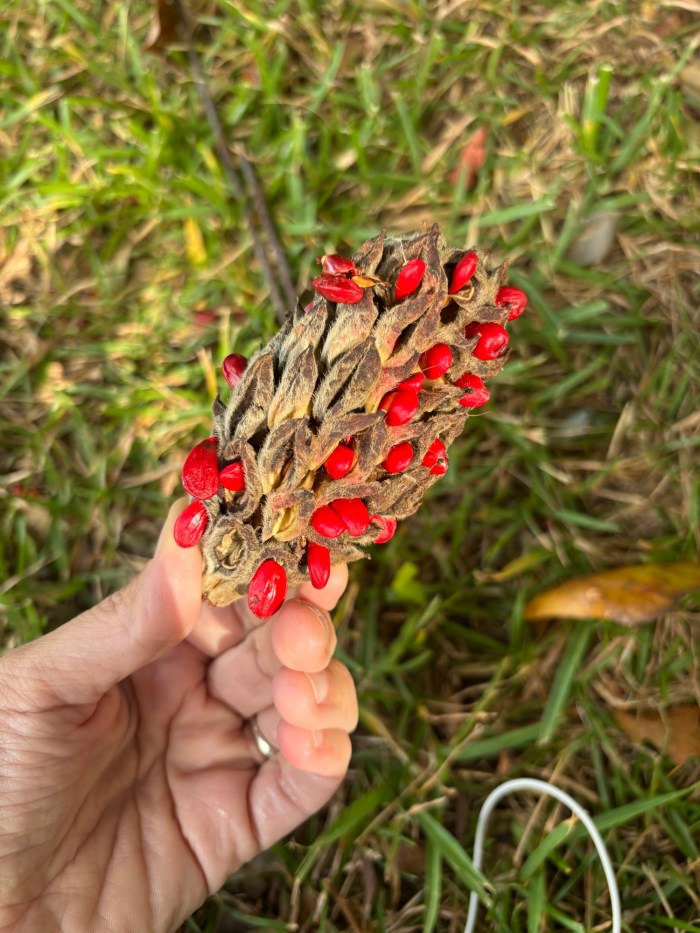
Then Holly became Hazel, Hazel became Vine, the Seasons changed, and I kept going.
Thirteen trees later, I arrived at Oak and realized I’d completed an entire journey around the wheel.
And now I’m back where I started.
Except I’m not.
The tree is the same. I’m not.
That’s one of the things I’m most curious about as I begin my second journey around the Celtic Lunar Tree Calendar.
Last year, I was mostly asking:
What does this tree mean?
This year, I’m asking:
What does this tree reveal now that I’ve changed?
Because one of the beautiful things about circles is that they don’t really end.
They deepen.
If you’re new to the Celtic Lunar Tree Calendar, you can start with my complete guide to the 13 lunar trees and how I follow the wheel here.
When Is the Holly Moon?
In the version of the Celtic Lunar Tree Calendar I follow, Holly follows Oak and begins with the New Moon that falls in late July or August.
Because I follow the trees according to actual lunar cycles rather than assigning them fixed Gregorian calendar dates, the exact beginning and ending dates shift from year to year.
That’s part of what I love about it.
The calendar doesn’t ask the Moon to conform to us.
We pay attention to her.
Holly carries us into late summer, after the Summer Solstice, when the days are still long and abundant but the light has already begun its slow decline toward the darker half of the year.
And that matters to Holly’s teaching.
Because although many of us associate Holly with Christmas and winter, she begins preparing long before winter arrives.
Holly: The Sacred Defender
Holly is an evergreen.
When much of the landscape becomes bare and dormant, Holly remains green. Her bright berries provide color and food during a Season when both become harder to find.
And, of course, she has those unmistakable prickly leaves.
Holly has long been associated with protection, strength, endurance, devotion, and the preservation of Life through difficult Seasons.
Last year, I came to think of Holly as the Sacred Defender.
At the time, her central question for me was:
What deserves my devotion?
A year later, I’m realizing that question has another side.
Because once we recognize what’s sacred, something else inevitably follows.
We have to protect it.

Last month, Oak asked:
What are you becoming rooted in?
For me, the answer became my own True Nature.
Oak reminded me of the acorn, holding within itself everything it needs to become an oak. It helped me see healing less as an endless project of fixing and improving myself and more as removing what obscures the Nature that was there all along.
And now Holly arrives and seems to say:
Then protect it.
Protect the Life you’re actually trying to live.
Protect your attention.
Protect your creativity.
Protect your body.
Protect your relationships.
Protect your time.
Protect your relationship with Nature.
Protect the things you’ve finally realized are sacred.
Maybe this is the deeper question Holly is asking me on my second journey around the wheel:
What does my devotion require me to protect?
Holly’s Prickly Leaves: What If Boundaries Create Sanctuary?
The actual Holly plant makes this even more interesting.
One of the things I learned while researching Holly is that her leaves aren’t equally prickly everywhere.
Holly can alter the shape of its leaves in response to browsing animals. Leaves growing lower on the plant, where they’re more vulnerable to being eaten, can develop more pronounced spines, while leaves higher up and farther from browsing animals may be much smoother.
I can’t stop thinking about that.
Holly doesn’t armor everything equally.
She protects herself where protection is needed.
That’s a much more nuanced understanding of boundaries than simply becoming harder, more defended, or less accessible.
The question isn’t:
How do I protect myself from everything?
It’s:
Where is protection actually needed?
Because Holly’s defenses don’t prevent her from participating in relationship.
Quite the opposite.
Her dense evergreen growth creates shelter for wildlife, and her berries provide food during winter.
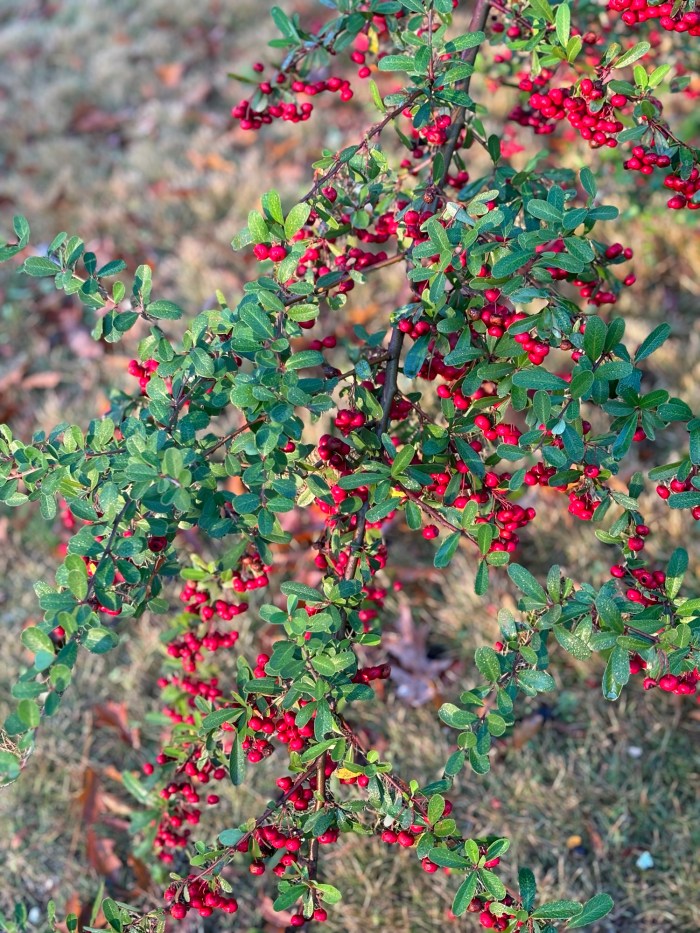
Holly is both protected and hospitable.
She has thorns and creates sanctuary.
What if those things aren’t opposites?
What if boundaries are part of the architecture that makes sanctuary possible?
I’ve been thinking about this a lot in my own Life.
There have been Seasons when I unconsciously equated Love with access.
If I loved someone, I should be available.
If I cared, I should help.
If something mattered, I should give it more of myself.
But I’ve increasingly realized that Love doesn’t require unlimited access.
And protection doesn’t necessarily mean closing my heart.
Sometimes the boundary is precisely what allows my heart to remain open.
Holly doesn’t teach me to become prickly everywhere.
She teaches me to become discerning about where I need thorns.
A Year of Learning What Deserves My Devotion
When I met Holly last year, devotion was the word that wouldn’t leave me alone.
I was asking what I wanted to orient my Life around, what deserved my focus, and what I was willing to hold sacred even when everything around me competed for my attention.
A year later, I have more answers.
I’ve become more devoted to my actual lived experience of Life.
Not just what I accomplish.
Not what I optimize.
Not how much I can fit into a day.
I mean what it actually feels like to be alive inside my own Life.
I’ve become more devoted to spaciousness, deep time, meaningful conversations, time outside, family, pleasure, rest, seasonal rhythms, and the quality of my attention.
This Summer, that’s looked like working fewer days, taking sunset walks with my family, spending mornings outside instead of automatically sitting inside at my altar, and remembering that Nature is my altar.
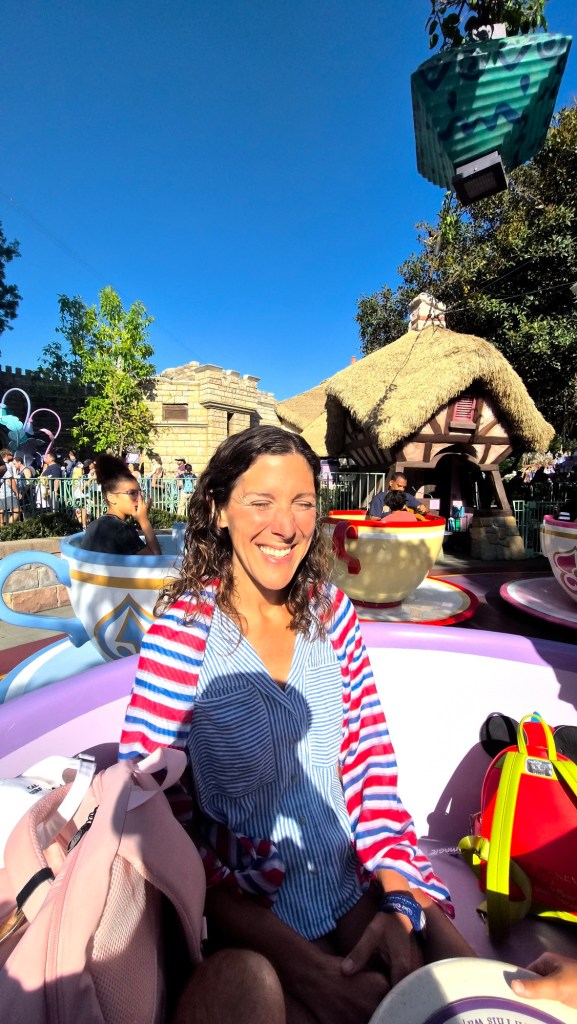
It’s looked like going to the beach, traveling, dancing at concerts, spending time with people I Love, and intentionally creating moments that feel different from the rest of the year.
I’ve become more devoted to allowing my business to support my Life instead of organizing my Life around the fabricated endless demands of capitalism.
I’ve become more devoted to my own Timing.
My own Inner Authority.
My own True Nature.
And I’ve become much less devoted to urgency.
Optimization.
Constant self-improvement.
Being endlessly available.
Producing simply because I can.
Keeping every possibility alive.
And perhaps most importantly, I’ve become less devoted to the belief that Love requires self-abandonment.
That’s where Holly feels completely different to me this year.
Last year, Holly asked me to choose my devotion.
This year, I’m realizing:
Devotion requires protection.

If I say my family is sacred, my calendar has to reflect that.
If I say my relationship with Nature is sacred, I have to actually go outside.
If I say spaciousness is sacred, I can’t fill every opening.
If I say my attention is sacred, I can’t give everything equal access to it.
If I say my creativity is sacred, I can’t demand that every idea immediately become productive.
Every meaningful yes creates a no somewhere else.
That’s not selfishness.
That’s devotion.
Holly and the Spiritual Warrior
As I begin my second journey around the Celtic Lunar Tree Calendar, I’m also adding another layer to my practice.
I’ve been reading Ted Andrews’ Nature-Speak, a book about receiving intuitive messages through the plants, animals, signs, omens, encounters, and patterns we notice in Nature.
I love the idea of moving beyond simply learning what a tree has historically symbolized and becoming more attentive to what an encounter with that tree might be inviting us to notice in our own Life.
Andrews associates Holly with the spiritual warrior and with becoming clear about our purposes.
He also connects Holly with protection, assertiveness, focused energy, emotional expression, and the importance of not scattering ourselves in too many directions.
The phrase spiritual warrior can sound combative.
But that’s not how I’m understanding it.
The spiritual warrior isn’t fighting everything. She’s clear about what she’s fighting for.
That changes the whole archetype for me.
The spiritual warrior doesn’t need an enemy.
She needs devotion.
She knows what matters enough to protect.
She knows where her energy belongs.
And because she knows what she’s devoted to, she can recognize what doesn’t deserve equal access to her energy.
I think this is especially important for women.
So many of us have learned to scatter ourselves across the needs, expectations, emotions, requests, schedules, and desires of everyone around us.
We can become incredibly skilled at caring for everything without ever stopping to ask:
Is this actually mine to tend?
Holly invites us to gather our energy back.
Not to hoard it.
Not to close ourselves off.
To direct it.
Holly Has Thorns, but She Also Opens the Heart
There’s another aspect of Andrews’ interpretation of Holly that I find especially beautiful.
Alongside the Spiritual Warrior, he connects Holly with the heart, compassion, Love, and healthier emotional expression.
At first, those might seem like completely different teachings.
Protection.
Assertiveness.
Thorns.
Love.
Compassion.
An open heart.
But I actually think they belong together.
Maybe the opposite of boundaries isn’t Love.
Maybe healthy boundaries are one of the ways we protect our capacity to Love.
Maybe saying no before resentment builds is Loving.
Maybe creating distance from a relationship that continually pulls us out of ourselves can allow us to hold that person with more compassion.
Maybe protecting our rest allows us to become more generous.
Maybe protecting our creative energy allows us to actually make the thing that wants to come through us.
Maybe protecting our attention allows us to become more present with the person sitting in front of us.
Holly doesn’t ask us to choose between the open heart and the thorn.
She shows us how they can belong to the same plant.
Why Does Holly Appear in Summer?
This was one of the things that initially confused me about Holly.
Holly feels like a winter tree.
We associate her glossy green leaves and red berries with Christmas, Yule, wreaths, winter decorations, and the darkest part of the year.
So why meet Holly in late summer?
Because winter doesn’t begin in winter.
Nature is always preparing for the Season ahead.
By the time Holly’s winter abundance becomes obvious to us, a much longer process has already unfolded.
And by the time we reach Holly in the lunar wheel, something similar is happening around us.

The Summer Solstice has passed.
The days are shortening.
Around Lammas/Lughnasadh, we begin noticing the first harvest and the earliest hints that summer won’t last forever.
Holly reminds us that preparation doesn’t have to come from anxiety.
We don’t prepare for winter because we distrust the cycle.
We prepare because we trust it.
There’s a difference.
One says:
Something bad might happen. I need to control everything.
The other says:
I know the Season will change. What can I lovingly tend now that will support me then?
That’s another question I’m carrying with me through this Holly Moon:
What am I tending now that I’ll need later?
Holly in Celtic and British Folklore
Holly has a long history in the folklore and seasonal customs of Britain and Ireland, particularly as a protective evergreen.
Its ability to remain green through winter made it an obvious symbol of enduring Life when much of the surrounding landscape appeared dead or dormant.
Holly was traditionally brought into homes during the winter Season, and later folklore connected it with protection from harmful influences as well as shelter for benevolent spirits and fairy beings.
You may also encounter the story of the Holly King and Oak King, two seasonal figures who battle for dominance as the light waxes and wanes throughout the year.
It’s a beautiful mythic image, and one I explored during my first year with Holly.
But it’s worth knowing that the familiar Holly King/Oak King story is better understood as part of modern Pagan tradition than as a clearly documented ancient Celtic myth.
That’s something I’m trying to be more intentional about during my second journey around the wheel.
I want to enjoy mythology, folklore, intuitive interpretation, and modern spiritual practice without needing everything meaningful to be thousands of years old.
Something doesn’t have to be ancient to be sacred.
And something being ancient doesn’t automatically make it true for me.
I want a spirituality that’s rooted enough to care about where our stories come from and alive enough to keep making meaning in relationship with the world we’re actually living in.
If You Encounter Holly in Nature
This year, I want to add this question to every tree we explore:
What might I notice if this tree actually appears in my Life?
I don’t believe every Holly bush you pass is necessarily delivering a cosmic telegram.
But I do believe attention changes our relationship with the world.
So if Holly keeps catching your attention this month, you might pause.
Look at the leaves.
Notice whether they’re prickly or smooth.
Notice what the plant is protecting.
Notice what it’s sheltering.
Notice the birds.
Notice where it’s growing.
Then turn the questions inward.
Where is my energy scattered?
What deserves more focused attention?
What am I protecting?
What am I failing to protect?
Where do I need greater assertiveness?
Where have I become unnecessarily defended?
What am I fighting against?
What am I fighting for?
And perhaps most importantly:
What do I Love enough to protect?
Birth Essence: If You Were Born Under Holly
If you were born during the Holly Moon, I think of Holly as part of your Birth Essence.
Holly carries the archetype of the Sacred Defender and the Spiritual Warrior.
You may have a natural instinct to protect what and who you Love, hold steady through difficult Seasons, advocate for others, or remain devoted long after other people have lost interest.
Your strength can create safety for other people.

But Holly’s deeper lesson may be discernment.
Not everything needs defending.
Not every problem is yours to solve.
Not everyone needs access to you.
And strength doesn’t mean carrying everything.
Your highest expression isn’t becoming endlessly armored.
It’s learning where your thorns belong.
It’s allowing your strength to exist in service of Love rather than fear.
It’s knowing what matters enough to protect and directing your considerable energy toward that.
Your strength becomes sanctuary when it’s guided by devotion.
Reflection Questions for the Holly Moon
As you walk with Holly this lunar cycle, you might spend some time with these questions:
- What am I genuinely devoted to in this Season of my Life?
- What does that devotion require me to protect?
- What deserves more access to my time, attention, energy, and Love?
- What deserves less?
- Where does my Life genuinely need a thorn right now?
- Where might I still be armored even though protection is no longer necessary?
- Where is my energy becoming scattered?
- What am I fighting against, and what am I actually fighting for?
- What boundary might allow my heart to become more open rather than less?
- What am I tending now that I’ll need in another Season?
- What would change if I treated my attention as sacred?
- What does being a Spiritual Warrior mean to me if I remove the need for an enemy?
You don’t have to answer all of them.
Choose the one that makes something inside you move.
That’s usually the one worth following.
Returning to Holly
Last year, Holly asked me:
What deserves my devotion?
I spent a year answering.
Not perfectly.
Not all at once.
But through the thousands of tiny choices that eventually become a Life.
And now I’ve returned to her.
This time, she seems to be asking:
What does your devotion require you to protect?
Maybe that’s what it means to travel around a spiritual wheel.
We don’t collect thirteen answers and graduate.
We return.
The Moon circles.
The Seasons return.
The tree is waiting.
And somehow, the same question contains something we couldn’t hear the first time.
The tree hasn’t changed.
But I have.
Circles don’t really end.
They deepen.
Follow Along With Me
If you’d like to keep walking the Celtic Lunar Tree Calendar with me, I’d love to have you.
Each New Moon, I’ll share the next tree guide, exploring its ecology, Celtic folklore and symbolism, intuitive teachings, seasonal wisdom, and reflection questions to carry with you through the lunar cycle.
Get the next Celtic Lunar Tree Guide in your inbox as we move through all 13 trees together.


Looking for more personal support? [Explore ways to walk with me.]

One thought on “Holly in the Celtic Tree Calendar: Protection, Devotion & the Spiritual Warrior”